Qatar MoI Reminds People Not to Take Disabled Parking Spots
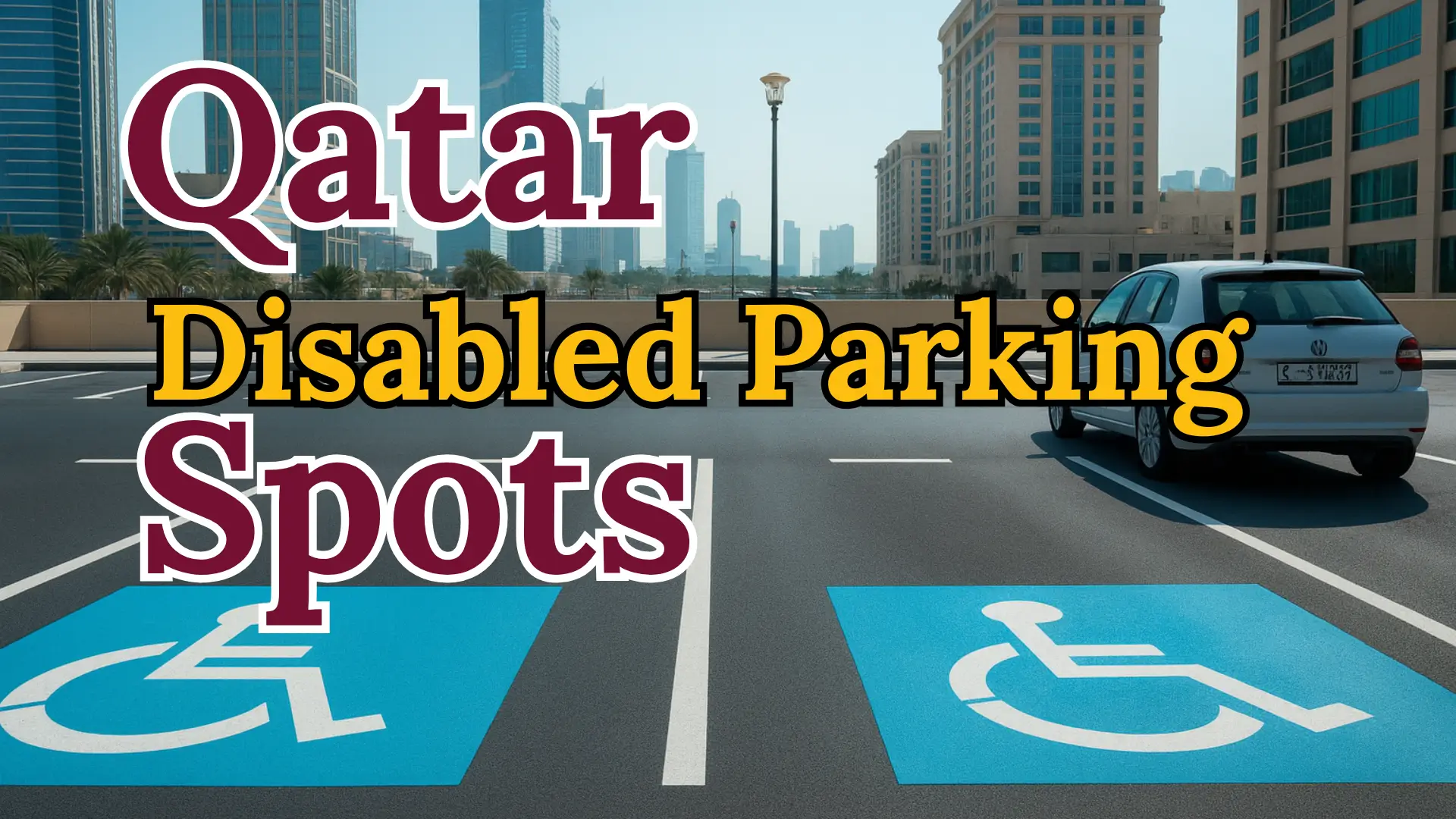
Qatar MoI Reminds People Not to Take Disabled Parking Spots. The Ministry of Interior (MoI) in Qatar has issued a crucial reminder to all motorists: parking in spaces designated for persons with disabilities without proper authorization is both a traffic violation and a violation of basic human rights. This announcement, shared via social media platform X (formerly Twitter), emphasizes that such actions go beyond legal consequences—they reflect a lack of empathy and social responsibility.
Understanding the Importance of Disabled Parking Spaces
Disabled parking spaces serve a vital purpose in creating an accessible environment for people with mobility challenges. These aren’t merely painted lines on pavement; they represent lifelines for individuals who face daily physical challenges.
Special Design Features
These parking spots are typically wider than standard spaces and positioned closer to building entrances, providing several critical benefits:
- Extra width: Allows wheelchair users and individuals with mobility aids to safely enter and exit vehicles
- Reduced walking distance: Minimizes physical strain for those with limited mobility
- Clear pathways: Often include ramps and accessible routes to building entrances
- Better visibility: Usually located in well-lit, monitored areas for added security
The Real Impact of Misuse
When unauthorized drivers occupy these spaces, the consequences extend far beyond inconvenience. A person with disabilities may need to:
- Park far from their destination, causing unnecessary physical pain
- Wait extended periods for a space to become available
- Cancel important appointments or activities
- Risk injury attempting to navigate longer distances
Legal Framework in Qatar
Traffic Violation Penalties
In Qatar, unauthorized parking in disabled spots is classified as a traffic violation, with enforcement including fines, warnings, or escalated action for repeat offenders. While specific fine amounts may vary, the legal system takes these violations seriously as part of broader accessibility and civil rights protections.
Permit Requirements
Valid disabled parking permits in Qatar are issued through official channels to individuals who meet specific medical criteria. These permits typically require:
- Medical documentation from certified healthcare providers
- Government approval and verification
- Regular renewal to ensure continued eligibility
- Proper display in the vehicle when using designated spaces
Who Qualifies for Disabled Parking Permits?
Understanding eligibility helps drivers recognize why these spaces are protected. Permits are generally issued to individuals with:
- Permanent mobility impairments: Including paralysis, limb loss, or severe arthritis
- Cardiovascular conditions: That significantly limit walking ability
- Respiratory disorders: Requiring minimal physical exertion
- Visual impairments: Severe enough to affect mobility and navigation
- Neurological conditions: Such as advanced Parkinson’s disease or multiple sclerosis
- Temporary disabilities: In some cases, short-term permits may be issued for recovery periods
The Ethics of Accessibility
Beyond Legal Compliance
Respecting these spaces demonstrates consideration for others and reflects civilized behavior and social responsibility. This isn’t merely about following rules—it’s about recognizing the dignity and rights of all community members.
Building an Inclusive Society
Qatar’s Vision 2030 emphasizes creating an inclusive society where all residents can participate fully in social and economic life. Respecting disabled parking spaces aligns with these broader national goals of accessibility and equality.
Common Excuses (and Why They Don’t Hold Up)
Many drivers rationalize misusing disabled parking spaces with familiar excuses:
- “I’ll only be a minute”: Even brief parking can prevent someone from accessing essential services
- “I don’t see anyone who needs it”: Disabilities aren’t always visible, and spaces must remain available
- “All other spots are taken”: Convenience for able-bodied drivers doesn’t override accessibility needs
- “I’m picking up someone disabled”: Unless you have a valid permit displayed, this remains a violation
Practical Steps for Responsible Parking
For All Drivers
- Verify before parking: Always check for proper permit display requirements
- Report violations: Use official channels to notify authorities of misuse
- Educate others: Share information with family, friends, and colleagues
- Plan ahead: Allow extra time to find appropriate parking
- Support businesses: Patronize establishments that prioritize accessibility
For Businesses and Property Owners
- Ensure adequate number of disabled parking spaces per local regulations (typically 2-5% of total spaces)
- Maintain clear signage and ground markings
- Regular monitoring to prevent unauthorized use
- Provide accessible pathways from parking to entrances
- Consider installing security cameras in parking areas
The Role of Social Media in Awareness
The MoI leverages social media platforms to spread awareness about parking regulations and traffic violations, recognizing that digital campaigns reach diverse audiences quickly. This modern approach to public education helps create cultural shifts in behavior.
How You Can Help Online
- Share official MoI announcements about parking regulations
- Post respectful reminders about accessibility importance
- Report instances of misuse through proper channels
- Engage in community discussions about inclusive urban planning
International Perspectives on Disabled Parking
Qatar’s approach aligns with international best practices:
- United States: Fines ranging from $250-$500, with possible vehicle impoundment
- United Kingdom: Penalties up to £1,000 for misuse
- European Union: Standardized blue badge system recognized across member states
- Australia: Heavy fines and potential loss of driver’s license for repeat offenses
These global standards reflect universal recognition of accessibility rights.
Statistics That Matter
While specific Qatar data may vary, international studies reveal:
- Approximately 15% of the world’s population lives with some form of disability
- 26% of disabled individuals report difficulty finding accessible parking
- Unauthorized use of disabled parking spaces is among the most commonly reported traffic violations
- Public awareness campaigns have shown 30-40% reduction in violations when consistently implemented
Creating Lasting Change
Individual Responsibility
Every driver contributes to either the problem or the solution. Small actions, like leaving a space available for someone who genuinely needs it, create meaningful differences in building an accessible community.
Collective Action
Communities thrive when citizens actively support accessibility:
- Advocate for increased disabled parking in high-traffic areas
- Support local disability rights organizations
- Participate in urban planning discussions
- Encourage employers to prioritize accessible parking
Future Developments in Qatar
Qatar continues advancing accessibility infrastructure:
- Smart parking systems that monitor disabled space availability
- Enhanced enforcement through technology and surveillance
- Improved public transportation accessibility
- Expanded awareness campaigns targeting new residents and tourists
FAQs About Qatar Disabled Parking Spots
Q 1: Why did Qatar’s MoI issue a reminder about disabled parking spots?
The Ministry of Interior reminded the public to stop using disabled parking spots because these spaces are reserved only for people with disabilities and misuse causes inconvenience and legal issues.
Q 2: Who is allowed to park in disabled parking spaces in Qatar?
Only individuals with a valid disability permit or special parking card issued by relevant authorities can use these spots.
Q 3: What happens if someone parks illegally in a disabled parking spot?
Illegal parking in disabled spaces can result in fines, penalties, and vehicle towing by authorities.
Q 4: How much is the fine for misusing disabled parking spaces in Qatar?
Fines may vary based on location and violation, but offenders usually face a significant penalty along with possible towing charges.
Q 5: Why are disabled parking spots important?
These spots provide safe, close, and accessible parking for people with mobility challenges who genuinely need them.
Q 6: Can I use a disabled parking spot if I’m waiting for someone or stopping for a few minutes?
No. Even a short stop is considered a violation unless you have a valid disabled parking permit.
Q 7: How can people report misuse of disabled parking spots?
You can report violations through the MoI hotlines, the Metrash2 app, or by informing local traffic authorities.
Q 8: Does Metrash2 show fines related to disabled parking violations?
Yes. Any traffic violation, including misuse of disabled parking spots, appears in your Metrash2 account under the traffic fine section.
Conclusion
Respecting disabled parking spaces reflects compassion and responsible citizenship. By following Qatar’s traffic laws and leaving these spaces available for those who need them, we build a more accessible, inclusive community where everyone’s rights and dignity are honored and protected.