MOI Qatar Updates Family Visit and Residence Visa Requirements for 2026
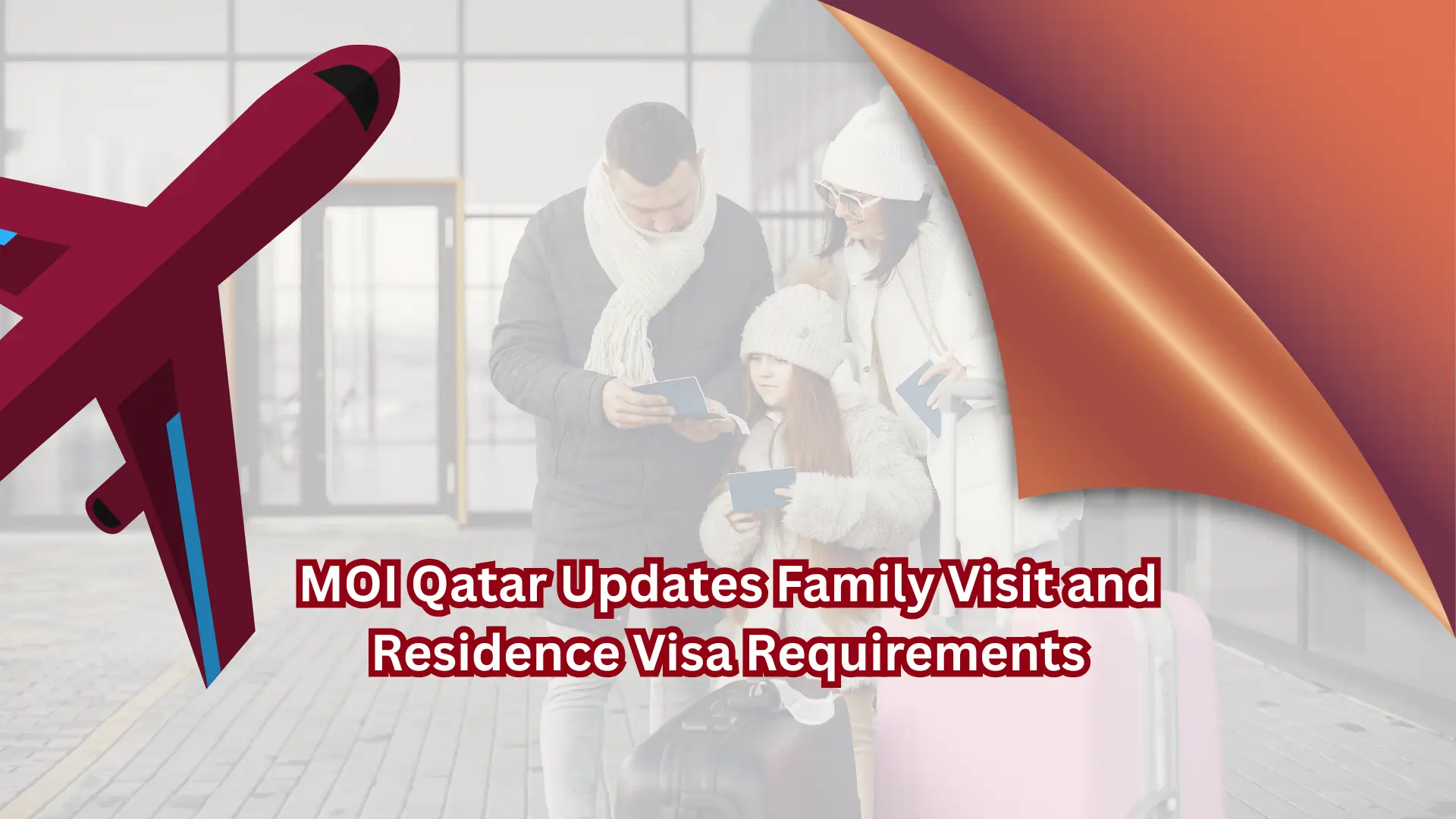
MOI Qatar Updates Family Visit and Residence Visa Requirements for 2026. The Gulf state has introduced streamlined procedures for bringing family members into the country, marking a significant shift in how expatriate workers can sponsor their loved ones. These changes reflect broader efforts to modernize immigration services while maintaining clear standards for family sponsorship.
Understanding the New Framework
The updated framework establishes distinct pathways based on employment sector and income levels. Rather than applying uniform requirements across all residents, the revised approach recognizes differences between government and private sector employment while setting clear benchmarks for family sponsorship eligibility.
Government and Semi-Government Sector Requirements
Employees working in public institutions face specific conditions when seeking to bring family members. The regulations establish two primary routes: securing accommodation through the employer or meeting a monthly income threshold of 10,000 Qatari Riyals. Documentation through official employment contracts serves as the verification mechanism, ensuring transparency in the approval process.
This dual-path approach acknowledges that government agencies often provide housing benefits while maintaining income standards for those arranging independent accommodation. The emphasis on contractual verification helps prevent discrepancies and ensures applicants meet genuine financial stability criteria.
Private Sector Employee Provisions
Those employed outside government entities encounter slightly different parameters. The framework distinguishes between specialized technical roles and general positions, with occupation type influencing eligibility requirements. Technical and specialized professionals may qualify with the standard 10,000 riyal monthly income benchmark.
However, an alternative provision allows employees earning 6,000 riyals monthly to sponsor family members if their employment contract includes verified housing arrangements. This flexibility recognizes that many private companies incorporate accommodation as part of compensation packages, particularly for skilled workers in various industries.
Educational Requirements for Dependent Children
A notable aspect of the updated procedures addresses school-age children between six and eighteen years old. Families must demonstrate active enrollment in licensed educational institutions within the country or provide documentation of educational engagement through approved platforms if children study elsewhere.
This requirement applies both to initial residence permit applications and subsequent renewals, establishing ongoing verification rather than one-time documentation. The mandate ensures dependent children receive consistent education while residing in the country, aligning immigration policy with educational standards.
Temporary Family Visit Provisions
Beyond permanent residence options, the revised framework outlines conditions for shorter-term family visits. Sponsors seeking to host visiting relatives must hold positions outside manual labor classifications and demonstrate a monthly income of at least 5,000 riyals.
Housing verification remains mandatory even for temporary visits, though the income threshold sits lower than residence sponsorship requirements. This graduated approach allows more residents to receive visiting family members while maintaining standards for longer-term stays.
Digital Service Delivery
The implementation emphasizes online accessibility, with all related services available through both mobile applications and official web portals. This digital-first approach eliminates the need for in-person submissions in many cases, allowing applicants to manage documentation, track application status, and receive updates remotely.
The shift toward electronic processing aligns with broader governmental digitalization initiatives aimed at improving service efficiency and reducing processing times. Applicants can handle most procedures without visiting physical offices, though certain verification steps may still require in-person elements.
Implications for Current Residents
Existing residents with family members already holding valid permits should review whether they meet updated criteria, particularly regarding educational enrollment for children. While the changes primarily affect new applications, renewal processes incorporate the revised standards, potentially requiring additional documentation for some families.
Those planning to bring family members should assess their employment contracts carefully, ensuring all salary and housing details appear accurately in official records. Discrepancies between actual compensation and contractual documentation could delay or prevent approval under the verification-based system.
Sector-Specific Considerations
The distinction between government and private employment creates practical implications for career planning. Professionals considering job changes should evaluate how sector transitions might affect their family sponsorship status, particularly if moving between public and private roles with different compensation structures.
Similarly, private sector employees in technical roles may find greater flexibility in meeting requirements compared to those in non-specialized positions, potentially influencing career development decisions for expatriates prioritizing family sponsorship capability.
Verification and Documentation Standards
The emphasis on contractual verification places importance on maintaining accurate, up-to-date employment records. Employers bear responsibility for ensuring contracts reflect actual compensation and benefits, as authorities cross-reference submitted applications against official employment databases.
This verification approach reduces the potential for fraudulent applications while creating accountability for both sponsors and employing organizations. Applicants should confirm their employment details match official records before initiating sponsorship procedures to avoid processing delays.
Long-Term Strategic Alignment
These regulatory adjustments form part of broader national strategies addressing demographic balance, service quality, and administrative efficiency. By linking family sponsorship more directly to verified employment conditions, authorities aim to ensure sponsored dependents have adequate financial support and living conditions.
The educational requirements for children similarly reflect commitments to maintaining educational standards and ensuring all school-age residents receive appropriate instruction, whether through local institutions or approved external programs.
Practical Steps for Applicants
Prospective sponsors should begin by reviewing their employment contracts to confirm salary details and housing provisions appear correctly. Those uncertain about their eligibility under the revised framework can consult the official digital platforms, which provide guidance on specific requirements for different circumstances.
Gathering necessary documentation early in the process—including educational enrollment verification for children—helps prevent delays once applications are submitted. The digital nature of the system allows applicants to prepare materials and upload documents progressively rather than requiring complete submission packages upfront.
Conclusion
The revised family sponsorship framework brings clearer structure to residence and visit procedures through sector-specific requirements and digital accessibility. Understanding employment contract details, income thresholds, and documentation standards ensures smoother application processing for expatriates planning to bring family members.